




Type
Type


| Product Name | Region | Qty | Score | Price | |||||
|---|---|---|---|---|---|---|---|---|---|
|
|
Rioja | 1 | 94 (TA) | د.إ692.00 | |||||
Tim Atkin MW (94)A vineyard doesn't have to be old to make great wines, as this 3.9-hectare parcel, planted at 720 metres in Samaniego as recently as 2013 demonstrates. Balanced, chalky, racy and refreshing, with chiselled acidity, understated oak influence, bramble, blackberry and cranberry fruit and a long, tapering finish. 2024-32 |
|||||||||
|
|
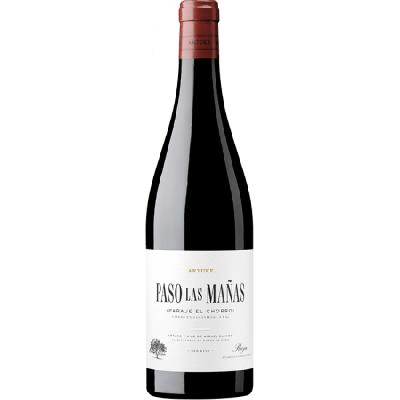
Rioja | 2 | 91 (TA) | د.إ358.00 | |||||
Tim Atkin MW (91)I like new wood less and less," says Arturo de Miguel, who uses none whatsoever on this cuvée of Tempranillo with 13% Graciano from the villages of Ábalos, Samaniego, San Vicente and Villabuena. Sappy, crunchy and refreshing, with lots of bramble and red cherry fruit and a hint of stony reduction. 2024-27 |
|||||||||
|
|
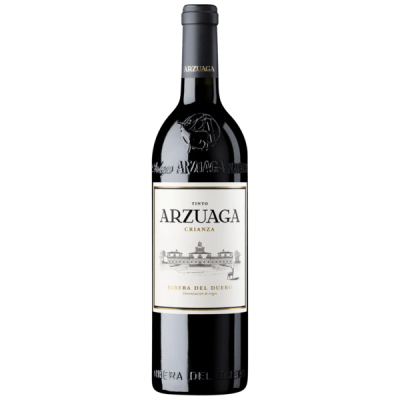
Castilla y Leon | 1 | 97 (DC) | د.إ908.00 | |||||
Decanter (97)The bouquet is full of fragrant black fruits, cinnamon, cumin and Frankincense, the palate beautifully fleshy and textured, carrying cigar box, vanilla, blueberry and silky tannins through to a lingering, richly-fruited, finish. Such refined elegance! Outstanding. |
|||||||||
|
|
Catalunya | 1 | - | د.إ1,555.00 | |||||
|
|
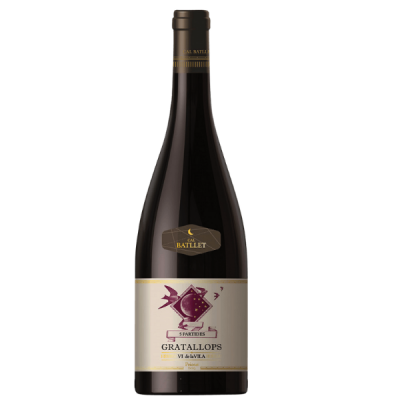
Catalunya | 1 | 96 (DC) | د.إ2,070.00 | |||||
Decanter (96)A village wine in the Priorat classification, taken from five parcels of very old vines at different elevations and slopes in Gratallops. Fermented in open-top 225L barrels and aged in French new oak. In a vertical of 2017, 2014 and 2012, the 2014 shone: very dark fruit, a powerful impression, then a delicious lift of orange zest, fresh herbs, eucalyptus. Wonderfully complex. Textured, with fine grain and a long, satisfying finish. Drinking Window 2021 - 2027 |
|||||||||
|
|
Castilla y Leon | 1 | - | د.إ1,570.00 | |||||
|
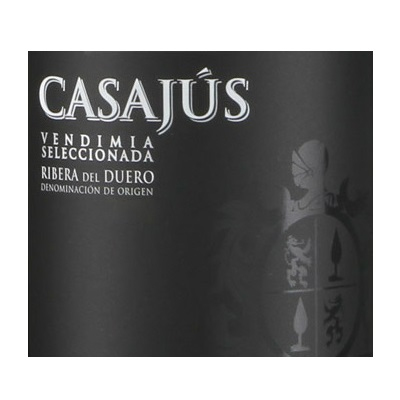
The Calvo Casajus Ribera Del Duero NIC 2009 is the ultimate testament to the wine-making prowess of Burgos, Spain's Calvo Casajus winery. Considered one of the jewels of Ribera del Duero, it is a product of exceptional craftsmanship and passion. Produced from 100-year-old organically grown Tempranillo grapes, it boasts unparalleled finesse and flavour intensity. The varietal was vinified classically before aging for 26 months in French oak barrels, resulting in a superb balance between fruit and wood. This grand vintage expresses luscious hints of ripe black fruit, liquorice and cocoa, accentuated by an undercurrent of earthy spices. Its soft tannins and new oak's slight sweetness create a gratifyingly rounded palate. Jose Maria Calvo, the man behind the label, has perfected the fine art of minimal intervention, showcasing the natural excellency of Ribera's unique terroir. Calvo Casajus Ribera Del Duero NIC 2009 truly captures the heart and soul of Spanish viticulture. |
|||||||||
|
|
Jumilla | 1 | 95 (WA) | د.إ572.00 | |||||
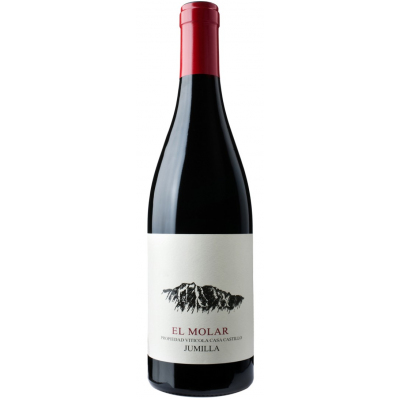
Wine Advocate (95)The perfect Mediterranean vintage produced an outstanding Garnacha. The 2020 El Molar fermented with 35% full clusters and matured in a combination of 500-liter barrels and 5,000-liter foudres for one year. The wine is very young and tender; it feels more delicate despite having a little more alcohol than the 2019 (it's 15%) and with a slightly lower pH (3.49). It's super aromatic, extroverted and expressive, floral, elegant and complex. There is great balance, and the wine feels fresher and less ripe; it's refreshing and has a core of minerality and super fine tannins with pungent flavors. There is precision, elegance and balance, the three words that define the vintage. All the wines are very good value, but this is a steal. 40,000 bottles were filled in March 2022. |
|||||||||
|
|
Jumilla | 1 | 96 (WA) | د.إ1,105.00 | |||||
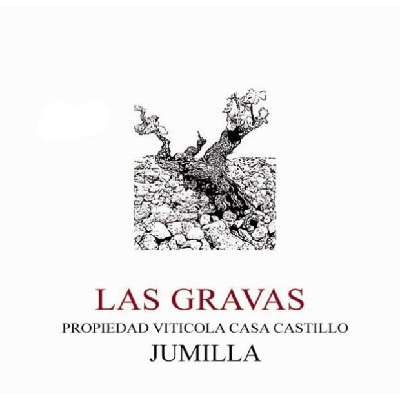
Wine Advocate (96)The 2018 Las Gravas is a blend of 90% Monastrell from limestone gravel soils and 10% Garnacha also planted in the same gravel soils, but it's obviously much younger than the Monastrell. It fermented in underground pools with 25% to 30% full clusters and indigenous yeasts and matured in 5,000-liter oak foudres and 500-liter oak barrels for 16 months. It's an incredibly elegant and delicate Las Gravas, nuanced and with a discrete profile, a little shy at first. The palate is also super elegant and balanced, with refined tannins, a velvety texture and very fine chalky minerality. The north-facing vineyard, the backbone of this wine in a challenging and cooler year, is now 40 years old and has vigor and balance, which has resulted in an incredible wine through a lot of work in the vineyard. This has to be the finest vintage to date, a real triumph over the adverse conditions of the year that transcends the quality of the vintage. They used a lower percentage of Garnacha to avoid too much florality in the blend, and the wine is more serious. It's less explosive than the 2017, but I'd say, more gravelly... Bravo! 34,500 bottles produced. It was bottled in July 2020. |
|||||||||
|
|
Castilla y Leon | 1 | 98 (WA) | د.إ1,120.00 | |||||
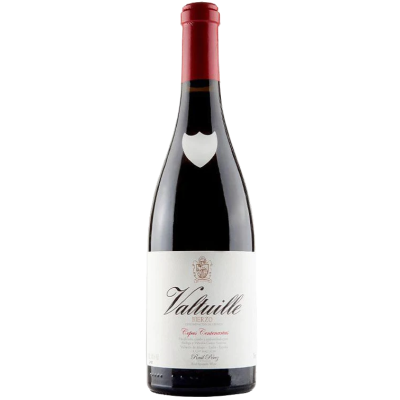
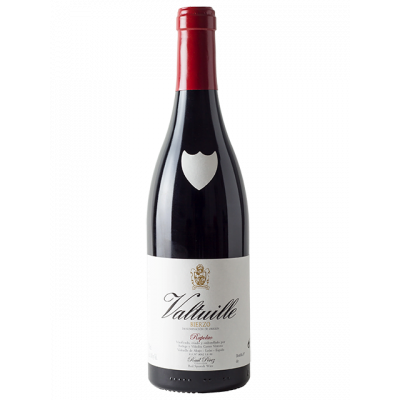
Wine Advocate (98)The 2019 Valtuille Cepas Centenarias comes from a single plot of ancient vines that could qualify as Vino de Paraje and in the future as Vino de Viña, but they are never going to do it because it's their traditional name and label and one of the most consistent wines from the winery. It is made with field blend with lots of different grapes on clay and sand soils. It fermented with full clusters and indigenous yeasts with a long 60-day maceration and matured in 225- and 500-liter oak barrels (but, in the future, they might move to oval oak foudres) for one year. It has the violets and the perfume from the 2018 vintage but with more dimension, more layers and depth. A stellar performance in 2019 (again!). 3,500 bottles produced, what the plot delivered. It was bottled in June 2021. |
|||||||||
|
|
Castilla y Leon | 1 | 96 (WA) | د.إ898.00 | |||||
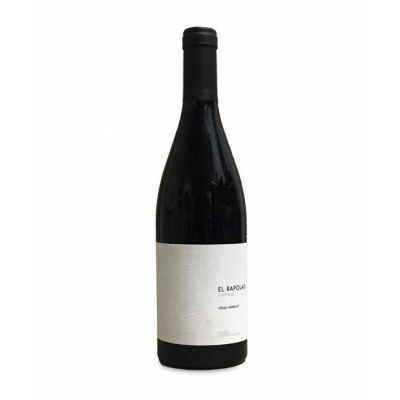
Wine Advocate (96)The 2019 Valtuille El Rapolao, now a Vino de Paraje, fermented with 100% full clusters with a long maceration and matured in well-seasoned, neutral 500-liter oak barrels (which might be eight years old now), the modus operandi for all of the single-vineyard reds. It's perfumed and heady, as it comes from a plot that also has some fruit trees, in a v-shape, planted along with some 8% Malvasía grapes that have been added since 2018 and have given it finesse. It's more exuberant on the nose, something that seems to define this wine that is quite unique and different from its siblings. It's medium-bodied with around 13% alcohol; winemaker César Márquez feels that when these wines are riper than 13.5% they are too rustic. 1,200 bottles produced. It was bottled in December 2020. |
|||||||||
|
|
Castilla y Leon | 1 | 94+ (WA) | د.إ661.00 | |||||
Wine Advocate (94+)The 2018 El Rapolao was produced with the grapes from the adjacent plot to the one from Castro Ventosa. It has maybe 5% white grapes and a faint reductive character—a flinty or gun powder note, turning into sesame seeds á la Coche-Dury with time—that the vineyard can have, with a lot less alcohol (13%) and is lighter and more ethereal and elegant. This is floral, clean and fresh, fulfilling the fresher and more elegant style of the 2018s. It follows the style of 2016, perhaps with a touch more depth and complexity, and it is more elegant, with more refined tannins and a chalky sensation. 984 bottles were filled in December 2019. |
|||||||||
|
|
Castilla y Leon | 2 | 95 (WA) | د.إ1,230.00 | |||||
Wine Advocate (95)The 2018 Sufreiral is one of the very few reds from limestone soils from Bierzo. This year, it comes from a higher-altitude plot (he now works with five separate plots in the paraje, but the rest go to the Parajes bottling) and in a vineyard with some white grapes. It fermented with full clusters and a longer maceration, resulting in a wine with less color and more tension. If Bierzo is somewhere between the Northern Rhône and Burgundy, this one gravitates more toward Burgundy. It's floral and textured, with a fine thread, very fine tannins and the sapidity of the limestone, very tasty. It's a more ethereal version of 2017. It matured in a well-seasoned, neutral 600-liter oak vat for one year. Only 721 bottles were filled in December 2019. |
|||||||||
|
|
Catalunya | 1 | - | د.إ2,700.00 | |||||
|
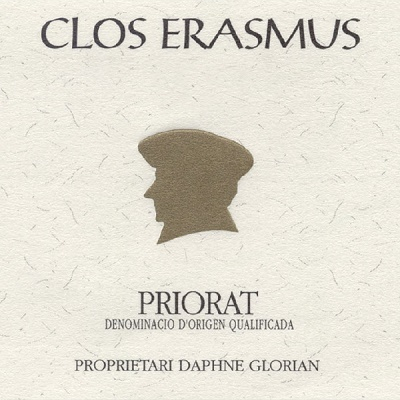
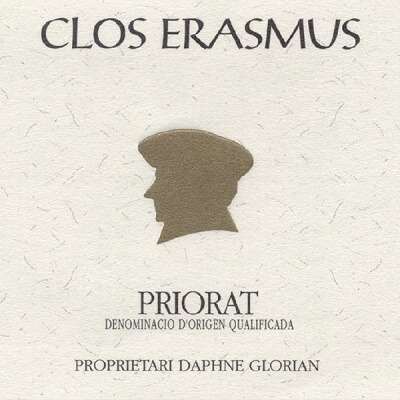
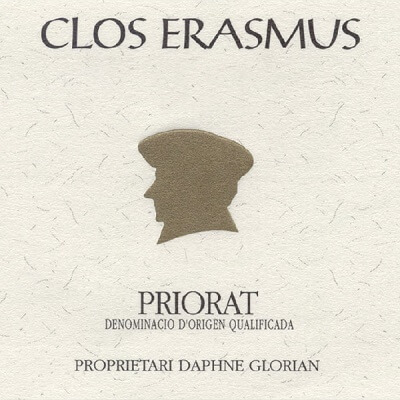
Indulge in the opulence of Clos I Terrasses Erasmus 2018. This esteemed blend, originating from Priorat, Spain, is exemplary of the mastery of winemaker Daphne Glorian. A blend of Garnacha and Syrah aged in new French oak for 18 months, it delivers a depth of experience from nose to finish. In the glass, witness a vibrant ruby hue. The nose reveals a captivating array of blackberry, flowers, and a whisper of garrigue, elegantly poised to allure the senses. On the palate, Clos I Terrasses Erasmus 2018 presents an intoxicating fusion of crushed berries, ripe plums, and a hint of spice, all woven together with a sturdy tannin structure. Its French oak ageing punctuates the flavour profile with subtle notes of vanilla and toast. Every sip promises a harmonious balance of intensity and refinement. Treat yourself to this artisanal selection and experience the allure of Clos I Terrasses Erasmus 2018. |
|||||||||
|
|
Catalunya | 1 | - | د.إ2,940.00 | |||||
|
Clos I Terrasses Erasmus 2018 is a prestigious Spanish wine, originating from the acclaimed Priorat region. This exceptional vintage is a harmonious blend of well-ripened Grenache and Carignan grapes, skillfully fermented in French oak barrels. Crafted by the renowned Clos I Terrasses winery, founded by Alvaro Palacios and Daphne Glorian, the winemaking process of Clos I Terrasses Erasmus 2018 epitomises the artisans' commitment to creating wines of the utmost quality. Accentuated by an opulent bouquet of dark fruits, followed by sultry spices and mineral undertones, this vintage exhibits an unfading concentration that is distinctively Priorat. Its structure beautifully delivers a balance of fruit and terroir-driven character, offering a gripping finish that is both robust and opulent. Encased within a mantle of refined elegance, the Clos I Terrasses Erasmus 2018 effortlessly imparts the quintessence of its Priorat origin with every glass poured. Its rich profile serves as a testament to the authentic artistry of its producers. |
|||||||||
|
|
Catalunya | 1 | - | د.إ2,530.00 | |||||
|
The tantalising Clos I Terrasses Erasmus 2019 effortlessly encapsulates the richness of Catalan terroir. This distinguished product originates from Priorat, a region renowned for its llicorella soils, imparting prominent minerality to the wine. Exclusively crafted by legendary vintner Alvaro Palacios, the wine emerged from old-vine Grenache and Carignan, affording a complex, multi-layered texture. The grapes undergo traditional vinification in French oak barrels, with a matured depth enhancing further upon laying down. Aromatic wisps of ripe fruit, earthy spices and an intriguing hint of graphite emanate from this inimitable blend. Clos I Terrasses Erasmus 2019 yields profound flavours of candied cherry, raspberry and blackcurrant, mingled with classic mineral undertones and silky tannins. A testament to exceptional craftsmanship, this wine stands as a beacon of opulence, offering a captivating drinking journey. Revel in the quintessential essence of Priorat with the exquisite Clos I Terrasses Erasmus 2019. |
|||||||||
|
|
Catalunya | 1 | - | د.إ2,995.00 | |||||
|
Discover the pinnacle of Priorat with the Clos I Terrasses Erasmus 2020 vintage. Brewed in Spain's prolific vintner region, this red wine is a sumptuous composition of Grenache and Carignane grapes, cultivated from the famed llicorella soil. The maturation of the fruit on old vines, combined with the utilisation of low-yielding and biodynamic methods, channels a nectarous intensity into each bottle. Created by Daphne Glorian, a wine-producer revered for her dedication to manifesting the full-bodied character of her terroir, the 2020 Erasmus elevates your palette with complex notes of red fruit, spice, and leather. The Clos I Terrasses Erasmus 2020 showcases an impressive longevity in your cellar and is impeccable when served at room temperature with red meat. Revel in the robust flavours of this premier vintage synonymous with Daphne's audacious winemaking craftsmanship. |
|||||||||
|
|
Catalunya | 1 | - | د.إ2,530.00 | |||||
|
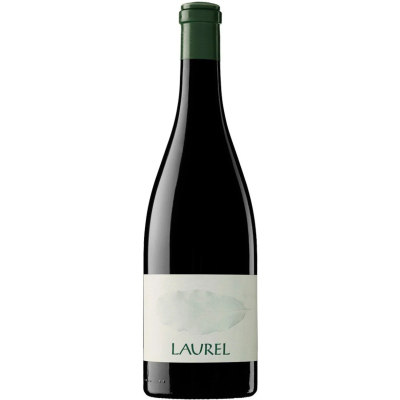
For those discerning palates seeking opulence in their wine selection, look no further than the Clos Erasmus Laurel 2020. Originating from the esteemed vineyards of the Priorat region in Catalonia, Spain, this sublime offering distinctively amalgamates Grenache and Syrah for an indulgent blend. With its incomparable depth of flavour and gravity-defying balance, the Clos Erasmus Laurel 2020 tells a unique story of its terroir's distinctive llicorella soil and the meticulous biodynamic farming practices employed by its producer, Clos Erasmus. Aged for 18 months in French oak barrels, our Clos Erasmus Laurel 2020 unquestionably exudes finesse and complexity on the palate. Blooms of ripe black fruit are beautifully offset by supple notes of spices, minerals and a bewitchingly persistent finish. This is truly the epitome of old-vine Grenache and Syrah, an embodiment of elegance and power that makes Clos Erasmus Laurel 2020 worth savouring. |
|||||||||
|
|
Catalunya | 1 | - | د.إ1,080.00 | |||||
|
For those discerning palates seeking opulence in their wine selection, look no further than the Clos Erasmus Laurel 2020. Originating from the esteemed vineyards of the Priorat region in Catalonia, Spain, this sublime offering distinctively amalgamates Grenache and Syrah for an indulgent blend. With its incomparable depth of flavour and gravity-defying balance, the Clos Erasmus Laurel 2020 tells a unique story of its terroir's distinctive llicorella soil and the meticulous biodynamic farming practices employed by its producer, Clos Erasmus. Aged for 18 months in French oak barrels, our Clos Erasmus Laurel 2020 unquestionably exudes finesse and complexity on the palate. Blooms of ripe black fruit are beautifully offset by supple notes of spices, minerals and a bewitchingly persistent finish. This is truly the epitome of old-vine Grenache and Syrah, an embodiment of elegance and power that makes Clos Erasmus Laurel 2020 worth savouring. |
|||||||||
|
|
Castilla y Leon | 1 | 97 (WA) | د.إ1,670.00 | |||||
Wine Advocate (97)The 2021 El Reventón is the one wine from the village of Cebreros on slate soils, and it has an herbal and peppery twist similar to the notes I found in the Las Iruelas from this very cold year. This has some more meaty notes, more iron, but no heat or Mediterranean grapes. It's a narrower, more mineral expression of El Reventón, very balanced with an unnoticeable 15% alcohol, which meant full development of aromas and flavors in the grapes that were infused into the wine. This has to be the most elegant and precise year of El Reventón to date. In this cold vintage, it's ethereal, a little wider but getting close to the style of Las Iruelas. It's a little less expressive on the nose than Iruelas, with a little more fruit. 2022 will be the last vintage for this wine, as they sold the vineyard to the Alejandro Vigil and Catena team from Mendoza, who vinified it for the first time in 2023. 1,759 bottles were filled in March 2023. |
|||||||||
|
|
Castilla y Leon | 1 | 98 (WA) | د.إ3,680.00 | |||||
Wine Advocate (98)The 2021 El Tamboril Tinto felt closed and austere like no other wine from the portfolio. This single vineyard from the village of Navatalgordo, the most austere and cold of the villages where they work, is also the highest altitude where they work. After years of working the vineyard, they were able to buy it in 2021; and in 2022, they made even bigger changes in the viticulture (they put in individual sticks for each vine). At 1,200 meters above sea level, this is the coldest place in the coldest vintage, and the soils are as rocky and mineral as it gets. This is a serious and mineral red with a moderate 13.5% alcohol, great freshness and acidity and a palate with very fine, chalky, Barolo-like tannins that make you salivate. It should develop in bottle for a loooooong time. 1,3,42 bottles were filled in April 2023. |
|||||||||
|
|
Madrid | 1 | 93 (WA) | د.إ971.00 | |||||
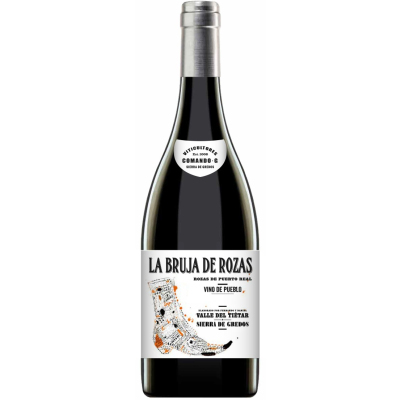
Wine Advocate (93)The 2019 La Bruja de Rozas was one of the few 2019s already bottled when I tasted the whole range in November 2020. This is a village Garnacha from Las Rozas de Puerto Real, their first approach to the grape, trying to capture the essence of the fresh fruit and the fluidity of the wine. 2019 is a ripe vintage, and the wine is a little more powerful, juicy and balanced, with rich aromas and flavors. It comes from different plots of old vines ranging from 40 to 65 years of age and planted at some 900 meters in altitude on sandy granite soils in a zone that has plenty of rain, averaging 800 liters per year. Like all of their vineyards, these plots are worked organically and biodynamically. Each vineyard fermented separately in oak vats with indigenous yeasts with a soft maceration. The wine matured in oak vats of different sizes, ranging from 1,500 to 6,000 liters. The 2019 effect seems to be quite mild here; the wine follows the profile of the 2018, despite being a little riper, and it's still very balanced. There are notes of flowers, basil and a touch of bacon intermixed with the wild berries and herbs. There's a little more concentration, and the tannins are a little chalkier and more austere. But there is no excess ripeness or anything out of place, and it has acidity and length and finishes dry and mineral. 41,853 bottles produced. It was bottled in August 2020. |
|||||||||
|
|
Madrid | 1 | 94 (WA) | د.إ676.00 | |||||
Wine Advocate (94)The first red to be bottled and sold is the 2020 La Bruja de Rozas, which feels a little more reductive this year. The grapes were picked before the torrential rains, so the wine shows a little riper than the wines that were picked after (the single vineyards). It's flinty and with a note of struck match, with good ripeness at 14.5% alcohol. This is always aromatic and floral, pale and surprisingly ethereal and expressive, a very pleasant and surprising wine that tends to please most people. This is the wine that I buy in volume, as it's a superb introduction to the Comando G portfolio and style at a very good price. Even though the nose is never short of spectacular, to me the signature here is the super fine grainy tannins from the decomposed granite soils. This goes back to the freshness of 2016 and 2018, perhaps a little rounder and less herbal, somewhere in between the two vintages. 43,175 bottles were filled in late August and early September 2021. |
|||||||||
|
|
Madrid | 1 | 95 (WA) | د.إ981.00 | |||||
Wine Advocate (95)The 2021 La Bruja de Rozas is their edgiest and most austere mineral and soil-driven version of their entry-level red. It's herbal, with no concession for fruit, and it has electricity and grip. It's a good preview of what's to come from 2021. It has a lot of 2018 and 2016 characteristics, a cool summer, a year with rain and even some during harvest that complicated matters and made them lose some grapes, but there's more grip, more minerality, more depth, layers and subtleness. It needs time in the glass, and my guess is that at age eight it's going to reach an outstanding level. A grown-up Bruja, it’s more for soil fanatics than the general public, and it’s one to lay down in your cellar (by the case) while you drink your 2020s. There were 55,184 bottles produced. It was bottled in August 2022. |
|||||||||
|
|
Madrid | 6 | 96 (WA) | د.إ1,965.00 | |||||
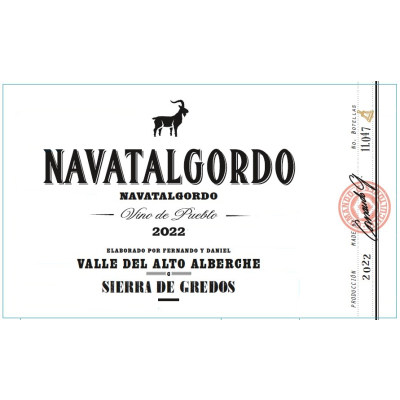
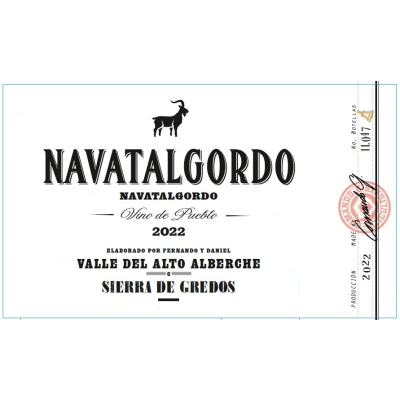
Wine Advocate (96)The 2022 Navatalgordo, a village red from the village of the same name, is one of two completely new village wines from 2022, as the one from Rozas is an evolution of the Rozas 1er Cru. This was produced to reflect the character of the village, showcasing wines with tension and sharpness. It comes from soils with lots of quartz and was made with their own grapes and ones purchased from growers that have been working together with them at an average 1,100 meters in altitude. It fermented with full clusters in concrete and oak vats with 35- to 40-day maceration, and its élevage was in concrete and oak foudres. This village produces wines with lower alcohol, lower pH and higher acidity, even in warmer years like 2022. And the wine has more color, even if the alcohol is lower, from the cold. It's a wine that needs more time, more Barolo with a chalky character and slow development. It has a very floral and expressive nose, with electric acidity, and is tense, serious. This is the 2022 that feels less like 2022... Only with time in the glass did it develop some meaty aromas (Bovril?) and spiciness, which pointed at a warmer year and more Gevrey character. It has a contained 13% alcohol and a pH of around 3.0! Incredible parameters for a year like 2022. 11,047 bottles produced. It was bottled in August 2023. Only a little sulfur was added at bottling time, never before, as they feel the profile of the wine is more apt to work without added sulfur. |
|||||||||
|
|
Madrid | 1 | 96 (WA) | د.إ1,085.00 | |||||
Wine Advocate (96)The 2022 Navatalgordo, a village red from the village of the same name, is one of two completely new village wines from 2022, as the one from Rozas is an evolution of the Rozas 1er Cru. This was produced to reflect the character of the village, showcasing wines with tension and sharpness. It comes from soils with lots of quartz and was made with their own grapes and ones purchased from growers that have been working together with them at an average 1,100 meters in altitude. It fermented with full clusters in concrete and oak vats with 35- to 40-day maceration, and its élevage was in concrete and oak foudres. This village produces wines with lower alcohol, lower pH and higher acidity, even in warmer years like 2022. And the wine has more color, even if the alcohol is lower, from the cold. It's a wine that needs more time, more Barolo with a chalky character and slow development. It has a very floral and expressive nose, with electric acidity, and is tense, serious. This is the 2022 that feels less like 2022... Only with time in the glass did it develop some meaty aromas (Bovril?) and spiciness, which pointed at a warmer year and more Gevrey character. It has a contained 13% alcohol and a pH of around 3.0! Incredible parameters for a year like 2022. 11,047 bottles produced. It was bottled in August 2023. Only a little sulfur was added at bottling time, never before, as they feel the profile of the wine is more apt to work without added sulfur. |
|||||||||
|
|
Madrid | 1 | 95 (VN) | د.إ1,095.00 | |||||
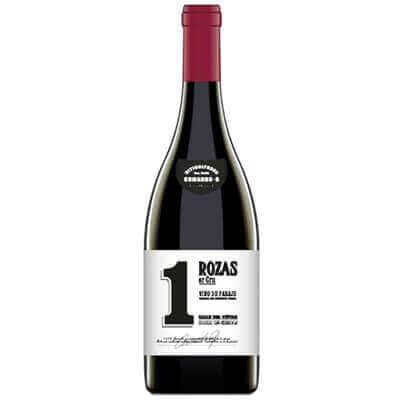
Vinous (95)The 2021 Rozas 1er Cru is 100% Garnacha from a Vino de Paraje in Valle Sur, Sierra de Gredos. Fermented with whole clusters, it presents sour cherry, herbal tones, orange peel and a touch of cherry over a delicate profile. A hint of chocolate-orange emerges with air. Grippy yet delicate, it has a lightly aqueous feel and a touch of fruit, gaining depth and definition on the finish. This modern red avoids the region’s sun-driven style in favor of varietal expression. |
|||||||||
|
|
Madrid | 1 | 95 (WA) | د.إ1,155.00 | |||||
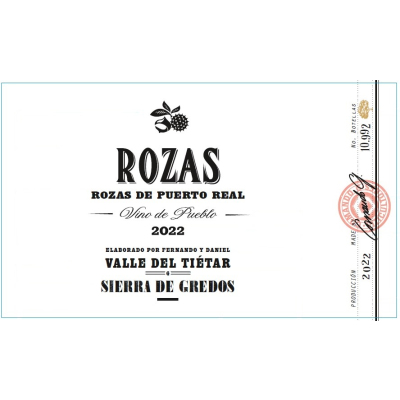
Wine Advocate (95)The Rozas 1er Cru has a slight change in 2022 and turned into a village wine, the 2022 Rozas. They selected the best five vineyards that used to go to the Rozas 1er Cru, vineyards they have worked since 2012. In this warmer vintage, they did a softer vinification, with less maceration and more fermentation without skins, to avoid over-ripeness and notes of black fruit in the wine. It has more fruit and some silty tannins, which are more like Italian tannins in the more Mediterranean years like this 2022. This village is more subject to the changes in the years, with more herbal and ethereal notes in the wines in cooler years and juicier and with more marked tannins in the warmer ones. It has 14.5% alcohol and is more jovial, definitely not banal. 10,992 bottles produced. It was bottled in August 2023. |
|||||||||