




Spain
Read More
Spain
Photo
AI Chat


-

Decanter (97)
Quiñón de Valmira is not just a wine. As Palacios’ top Rioja it leads the transformation of Rioja Baja, now known as Rioja Oriental; puts the overlooked Garnacha back centre stage; and highlights the Sierra de Yerga as a fine vineyard origin. The palate is very appealing: succulent with a resounding red fruit and dark cherry ripeness, plus a lift of orange zest. Vivid, penetrating and long. Alvaro Palacios says Valmira is 'all about the aftertaste and the length'. Viñedo singular. 5,552 bottles produced.د.إ4,320.00 -
 (6x75cl) 2015
James Suckling (97)
This is a very tight and fine-grained red with a compressed mouthfeel. The fruit comes through to a class and elegance. Such length. Ethereal structure. Unique. Drink or hold.د.إ2,780.00 -
Wine Advocate (96+)
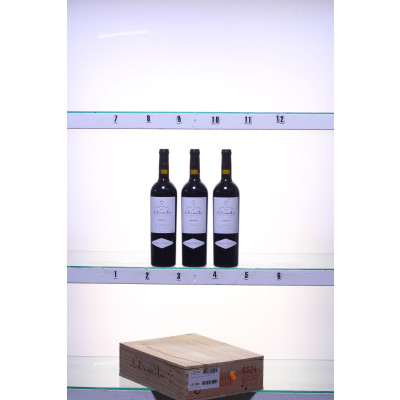
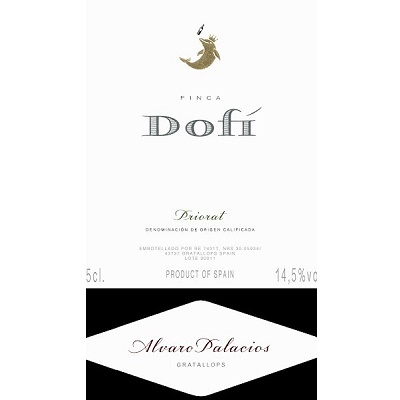
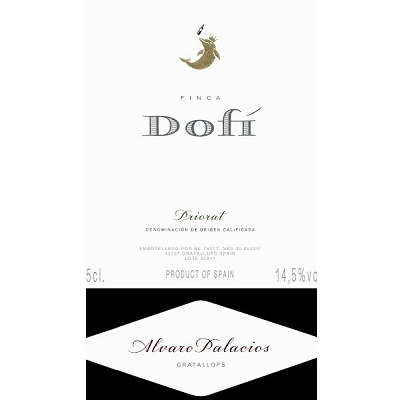
The origin of everything here and the first single-vineyard red, the 2018 Finca Dofí excels in 2018. Those 10 hectares planted 20 years ago in the village of Gratallops are mostly Garnacha, but the wine also has some 8% Cariñena and 2% white grapes. They all fermented after being destemmed and lightly crushed in oak vats with indigenous yeasts. The wine matured in large oak barrels (bocoyes and foudres) for 16 months. This is the refined version of the Gratallops (the vineyard is in the village!) but with an extra degree of depth and complexity, especially nuance and elegance, showcasing the captivating finesse and harmony of the vintage, which is a little in the style of the 2016 with more energy. I see that these 2018s are quite transparent and show the style of the zone, the iron soils, the dusty roads and the warmth of the soils; it's round and lush, spherical but with a spike of freshness. The élevage has been polished so as to render it almost invisible. This is drinkable now, and I think it's also going to age nicely in bottle and drink nicely throughout its life. 29,540 bottles produced. It was bottled in March 2020.د.إ1,130.00 -
Wine Advocate (96-98)
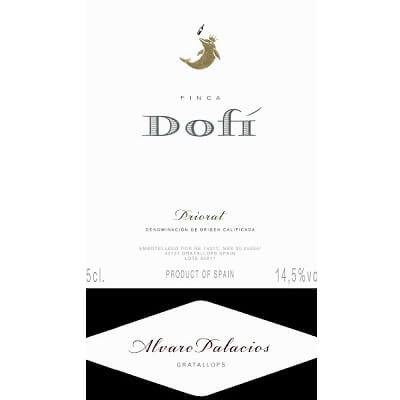
The more backward of the 2021s was the 2021 Finca Dofí, which was very primary and smelled almost like the fermentation vessels, and it took time in the glass to open up. The blend is higher in Garnacha, and they couldn't use the Picapoll as it didn't work well that cool year, so it's 90% Garnacha, 9% Cariñena and 1% white grapes. It achieved 14.5% alcohol but kept better freshness than in 2020, a constant in the 2021 wines. Very promising. They expect 24,000 bottles. It should be bottled around April 2023.د.إ1,840.00 -
Wine Advocate (97-100)
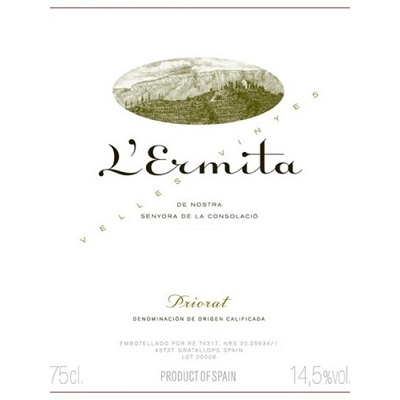
As I saw in some of the other wines, there is a lot more Cariñena in the still unbottled 2016 L'Ermita than in the 2015. The varietal breakdown was approximately 85% Garnacha, 14% Cariñena and 1% white grapes—Garnacha Blanca, Macabeo and PX. The grapes are manually sorted and destemmed by the team that picks them and are put to ferment in an oak vat with the natural yeasts from the grapes. Malolactic was in barrique, which is where the wine was maturing when I tasted it. It has electric acidity that makes it vibrant, even if the nose might be a bit shy. I don't remember a vintage of L'Ermita with this concentration and acidity. We have to see how the élevage rounds it out, but this could be a very important vintage for L'Ermita. The expectation is to bottle some 2,000 bottles of this in May/June 2018.د.إ12,635.00 -
Wine Advocate (99)
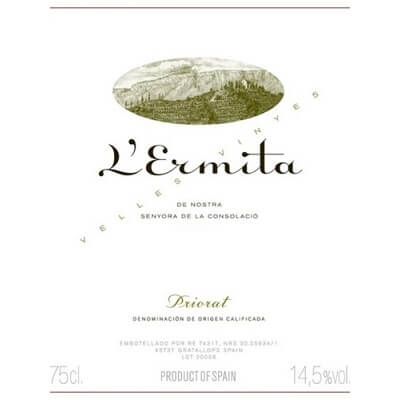
The flagship 2018 L'Ermita is already classified as Gran Vinya Classificada, the new category of grand cru vineyards from the Priorat appellation of origin. Like the 2017, the blend here is mostly Garnacha with about 20% Cariñena (the highest for this wine) and 2% of white grapes. It fermented with indigenous yeasts in oak vats with a maceration of 56 days and matured in oak barrels of different sizes for 14 months. The grapes were picked quite late but on the same date as the previous year, the 17th of October, because the vineyard is so regular. The wine is aromatic, intense and elegant, with a lifted nose and a high-pitched note of violet pastille, more refined than the Aubaguetes and Baixada. It is classical and proportioned, with contained and complex aromas and flavors and lots of energy, light in its feel but with inner power and strength. As with most great wines, it should develop nicely and for a long time in bottle but will drink well throughout its life. Grand vin, yes. 2,440 bottles were filled in April 2020.د.إ9,810.00 -
Decanter (99)
L’Ermita is the second of Alvaro Palacios’ top wines to gain the Gran Vinya Classificada category. The vineyard now measures 4.7ha; it increased when Palacios and René Barbier swapped land. Work has been done to graft red varieties onto white vines. The result of the labours – including the permissions required from the Archbishop of Zaragoza for this holy hermitage – is a delight. Gloriously aromatic nose, introducing a wonderfully complex palate of cherries integrated with savoury notes, a shaft of minerality, wild herbs, and dark fruit conserve. Well-deserving of its reputation as one of Spain's great wines. Gran Vinya Classificada. 4,930 bottles produced.د.إ10,790.00 -
Wine Advocate (98)
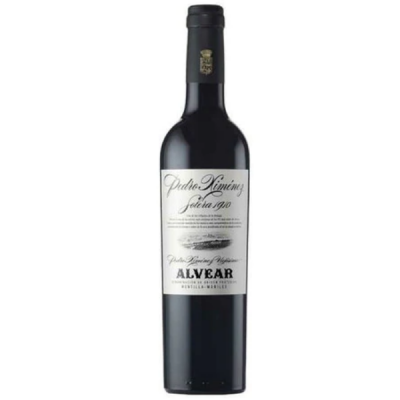
The amazing, pedal to the metal/full throttle/balls to the wall, sweet 1910 Pedro Ximenez Solera is a dark amber-colored, full-bodied, unctuously-textured beauty that should be sipped and savored slowly and carefully at the end of a meal with a plate of cashews. It is remarkable stuff. The price is not high for what it represents.د.إ1,055.00 -
Wine Advocate (98)
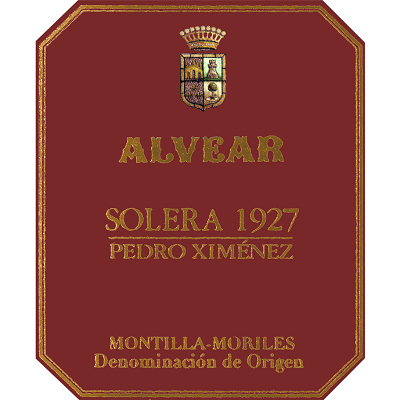
The NV Pedro Ximenez Solera 1927 is non-vintage, but does have some 1927 material in it. This is totally dark brown/amber with notes of figs, toffee, caramel syrup, molasses and coffee. It is dense, super sweet, intense, rich and an amazingly, unctuously textured, thick beverage to consume slowly and introspectively after a meal. Drink now through 2050, or even longer.د.إ839.00 -
Tim Atkin MW (94)
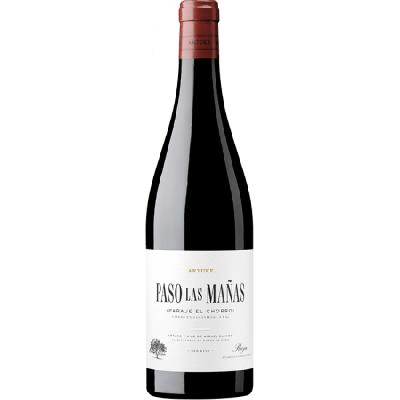
A vineyard doesn't have to be old to make great wines, as this 3.9-hectare parcel, planted at 720 metres in Samaniego as recently as 2013 demonstrates. Balanced, chalky, racy and refreshing, with chiselled acidity, understated oak influence, bramble, blackberry and cranberry fruit and a long, tapering finish. 2024-32د.إ692.00 -

Tim Atkin MW (91)
I like new wood less and less," says Arturo de Miguel, who uses none whatsoever on this cuvée of Tempranillo with 13% Graciano from the villages of Ábalos, Samaniego, San Vicente and Villabuena. Sappy, crunchy and refreshing, with lots of bramble and red cherry fruit and a hint of stony reduction. 2024-27د.إ358.00 -
Decanter (96)
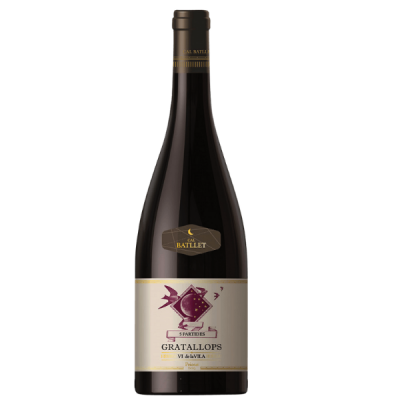
A village wine in the Priorat classification, taken from five parcels of very old vines at different elevations and slopes in Gratallops. Fermented in open-top 225L barrels and aged in French new oak. In a vertical of 2017, 2014 and 2012, the 2014 shone: very dark fruit, a powerful impression, then a delicious lift of orange zest, fresh herbs, eucalyptus. Wonderfully complex. Textured, with fine grain and a long, satisfying finish. Drinking Window 2021 - 2027د.إ2,070.00 -
Wine Advocate (96)
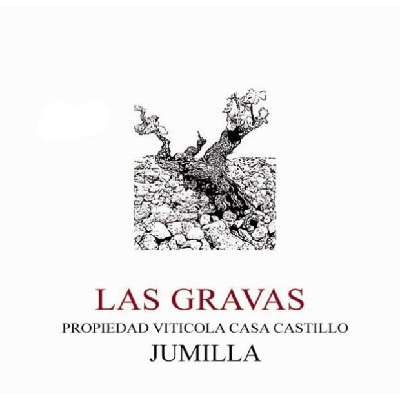
The 2018 Las Gravas is a blend of 90% Monastrell from limestone gravel soils and 10% Garnacha also planted in the same gravel soils, but it's obviously much younger than the Monastrell. It fermented in underground pools with 25% to 30% full clusters and indigenous yeasts and matured in 5,000-liter oak foudres and 500-liter oak barrels for 16 months. It's an incredibly elegant and delicate Las Gravas, nuanced and with a discrete profile, a little shy at first. The palate is also super elegant and balanced, with refined tannins, a velvety texture and very fine chalky minerality. The north-facing vineyard, the backbone of this wine in a challenging and cooler year, is now 40 years old and has vigor and balance, which has resulted in an incredible wine through a lot of work in the vineyard. This has to be the finest vintage to date, a real triumph over the adverse conditions of the year that transcends the quality of the vintage. They used a lower percentage of Garnacha to avoid too much florality in the blend, and the wine is more serious. It's less explosive than the 2017, but I'd say, more gravelly... Bravo! 34,500 bottles produced. It was bottled in July 2020.د.إ1,105.00 -
 (6x75cl) 2014
Wine Advocate (96)
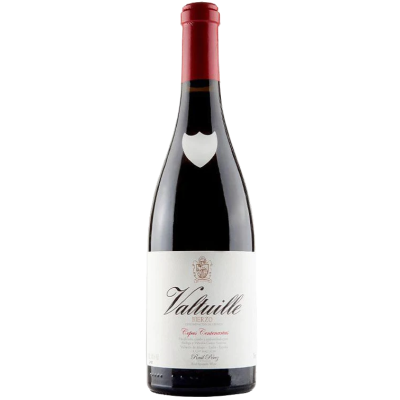
Following the subtle, elegant and floral profile of the vintage, the 2014 Valtuille Cepas Centenarias is always sourced from a south-facing vineyard in the Villegas zone of the village of Valtuille de Abajo, where the soils have a sandy texture and provide for fine, elegant wines. They used 100% full clusters for the fermentation in oak vats with indigenous yeasts, and then matured the wine in used 228-liter oak barrels. The oak does not have an aromatic role in any of the reds. This combines the floral with some characteristics, earthy and developing notes of cypress, smoked meat and a Rhôneish twist. It has some earthy tannins too, coupled with moderate alcohol and great freshness. This is one of the first vineyards to be harvested, as it ripens early, and has contained alcohol. This is a very regular wine, vintage after vintage. This has to be the finest vintage for this bottle. 3,500 bottles were filled in November 2016.د.إ882.00 -
Wine Advocate (94+)
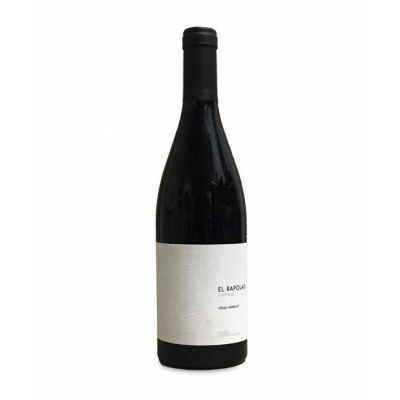
The 2018 El Rapolao was produced with the grapes from the adjacent plot to the one from Castro Ventosa. It has maybe 5% white grapes and a faint reductive character—a flinty or gun powder note, turning into sesame seeds á la Coche-Dury with time—that the vineyard can have, with a lot less alcohol (13%) and is lighter and more ethereal and elegant. This is floral, clean and fresh, fulfilling the fresher and more elegant style of the 2018s. It follows the style of 2016, perhaps with a touch more depth and complexity, and it is more elegant, with more refined tannins and a chalky sensation. 984 bottles were filled in December 2019.د.إ661.00 -
Wine Advocate (95)
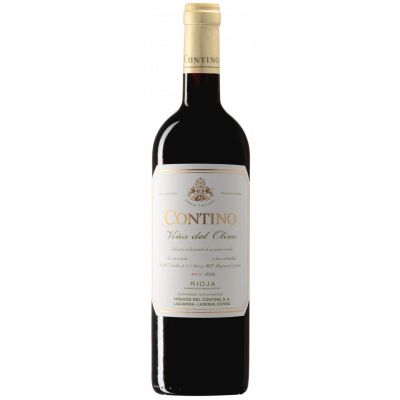
The 2018 Viña del Olivo comes from a plot planted in 1980 that has different soils from the rest of the property, which is mostly alluvial. Here, the soils are composed of clay and limestone. It's 85% Tempranillo, 10% Graciano and 5% Mazuelo, which fermented in 1,000-liter French oak vats followed by 16 months in barrel and a further three months in oak vats. This is raw and young, but it's already been released because the wine sells like hot cakes. It's marked by the toasted barrels and has all the baby fat it needs to be rendered invisible with time in bottle. It has very good freshness and round and sophisticated tannins with purity of fruit and finesse. 13,640 bottles and some larger formats. It was bottled in April 2020.د.إ1,205.00 -
James Suckling (97)
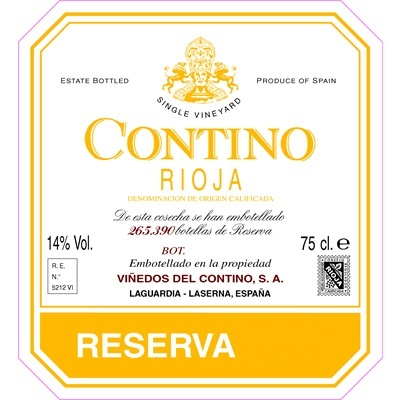
This is so powerful and tightly wound with so much intensity and power. Full body. Crushed berries and hints of walnuts and cedar. Purity in fruit. Very subtle character, but great tension and richness. Drink after 2021.د.إ605.00 -
Wine Enthusiast (95)
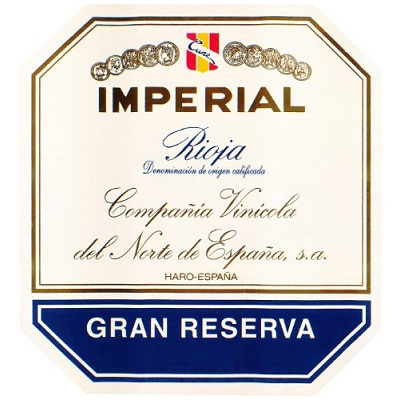
Certain wines exude a sense of elevated excellence. This one gets to that level via aromas of spice cake, baked plum and tobacco aromas. A stocky saturated palate is structured and built to age, while this tastes of cool blue fruits, herbs, coffee and chocolate. A smoothly textured finish deals cocoa and mocha notes. Drink through 2040.د.إ1,350.00 -
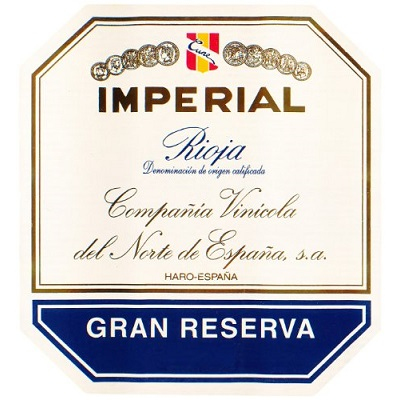
Wine Enthusiast (97)
This is a fabulous gran reserva from a very good but lightly heralded vintage. Aromas of spiced plum, black olive, fig, tobacco and cassis come together like a puzzle. A deep, pure palate shows near-perfect balance, while this tastes of plum, berry fruits and earthy spice. Smooth, elegant and chocolaty on the finish, this delivers all one can ask for from Rioja. Drink through 2035.د.إ1,150.00 -
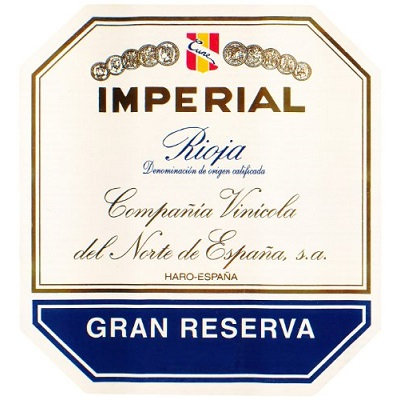
Wine Enthusiast (97)
This is a fabulous gran reserva from a very good but lightly heralded vintage. Aromas of spiced plum, black olive, fig, tobacco and cassis come together like a puzzle. A deep, pure palate shows near-perfect balance, while this tastes of plum, berry fruits and earthy spice. Smooth, elegant and chocolaty on the finish, this delivers all one can ask for from Rioja. Drink through 2035.د.إ1,905.00 -
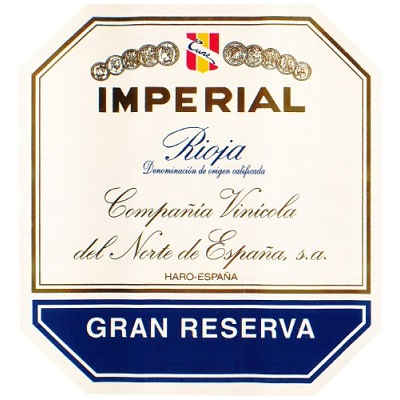
Tim Atkin MW (97)
This comes from vineyards in Villalba, Briones and Torremontalbo and is another brilliant release from María Larrea. Savoury, sweet and well balanced, with 15% Graciano adding extra backbone and the zest that you expect from this special redد.إ1,110.00 -
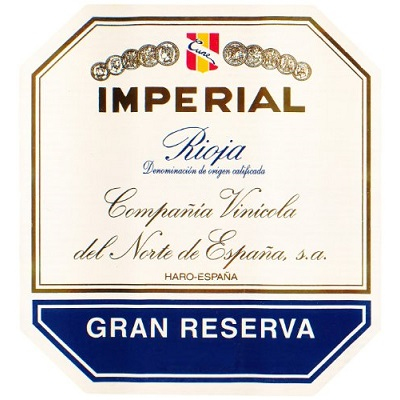
Vinous (94)
Shimmering ruby-red. An intensely perfumed nose displays cherry cola, cassis, licorice and smoky oak; floral and vanilla qualities emerge in the glass. Juicy, penetrating red and dark fruit flavors are given spine by a core of tangy acidity, and bitter chocolate, candied rose and spicecake nuances develop with air. Gently gripping tannins add shape to an impressively long, incisive finish that leaves more vanilla and cherry notes behind. Raised for 22 months in a combination of French and American oak barrels.د.إ1,285.00 -
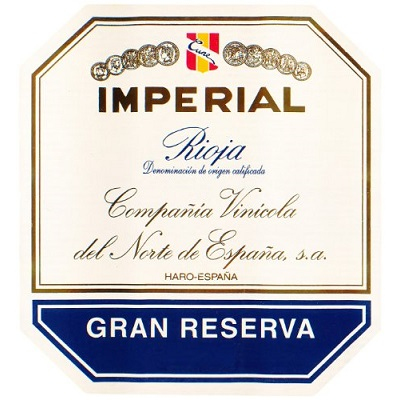
James Suckling (97)
This is very ripe with blackberries, dried fruit, toasted oak and black licorice on the nose. Full-bodied with ultra-fine, linear tannins and a racy, refined finish. This has fantastic structure and length. It goes on for minutes. It needs time to open and refine even more. One of the best Imperiale Gran Reservas in a very long time. Drink after 2023.د.إ1,205.00 -
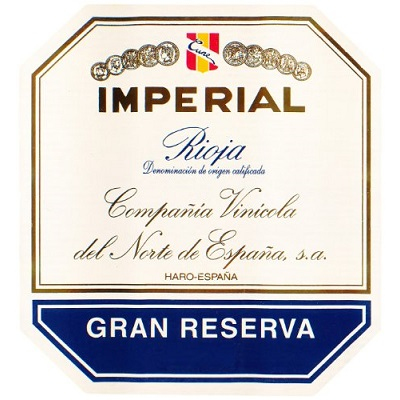
James Suckling (97)
This is very ripe with blackberries, dried fruit, toasted oak and black licorice on the nose. Full-bodied with ultra-fine, linear tannins and a racy, refined finish. This has fantastic structure and length. It goes on for minutes. It needs time to open and refine even more. One of the best Imperiale Gran Reservas in a very long time. Drink after 2023.د.إ1,010.00 -
 Oh, Las Lamas… she never disappoints, and what a fine vintage to play to her strengths. I honestly spent at least ten minutes just breathing in the phenomenal aromas of this wine. The nose is so open with a lovely fine balance, poised between sweet red fruit and granitic splendour. The palate is so mineral and the wet stone purity in this is exceptional. However, the deep cranberry fruit behind is gently sweet and frames the fine, incredibly long length. This has notes of raspberry tea and is another Bierzo wine with a rainwater finish. Gorgeous. Drink 2021-2030.د.إ1,370.00
 -

Wine Advocate (96-98)
Right now, I prefer the 2022 Las Lamas to the Moncerbal from this same vintage. Moncerbal is the place that suffers more from the draught and heat, as it's very rocky and has less organic matter, less water retention, while the Las Lamas has more resources to fight lack of water and high temperatures through the higher content of clay. This is expressive, perfumed and elegant, quite Lamas.د.إ1,695.00 -
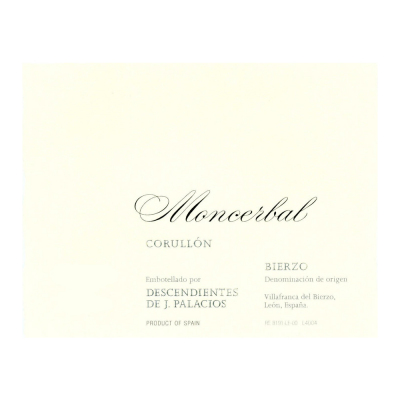 2018 Moncerbal is exceptionally fragrant with near crystalline purity. It is a fine, elegant, dancing wine with extremely subtle black berry and black cherry fruit coming through. Its incredible freshness cuts like a knife through the palate which is mineral beyond belief, and the length goes on forever. If you are ever lucky enough to visit this astonishing 1.5ha vineyard, you will see how the vines cling, unbelievably, to vertiginous slopes. That determination somehow comes through in the precision and focus of this stunning 2018 wine. It is exceptional. Drink 2024-2035.د.إ1,375.00
 -
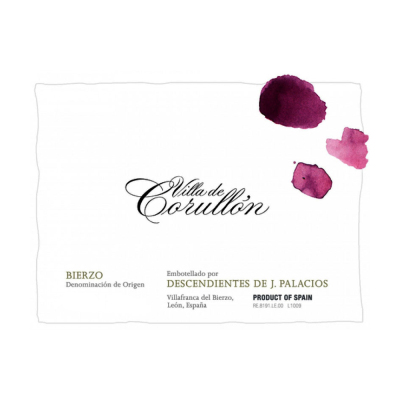
Wine Advocate (96)
The village wine 2018 Corullón has, for the first time, the new category Vino de Villa (village wine!). It comes from around 90 plots of their own vineyards. In the cooler and more Atlantic 2018, they had more rain than the previous two vintages and a lower average temperature, and they think it was excellent for their wines ("a modern version of 2001," Ricardo Pérez Palacios told me). There are around 8% white grapes here, and the wine fermented in oak vats with punching down, and the élevage was in a combination of barriques, bocoyes and foudres, oak containers of different sizes, and was short of 11 months. This is the modern version of 2001 and 2012, and in 2018, it has the part of Moncerbal (almost 40%) that was not in the 2017 (because of hail, the Moncerbal bottling was not produced in 2017), so it goes back to the classical style. There is terrific balance here, great purity, with the essence of slate; here, we move from the fruit of the Pétalos to the herbs. But there is complexity and nuance, violets, rockrose, sap, resin, fern, cinnamon and citrus, all very subtle and harmonious. The flavors have similar purity, and if these wines never have high acidity, there is great freshness, soft citrus, all very subtle and velvety. This is sooo easy to drink it could be dangerous... They produced 23,034 bottles and other formats, half-bottles, magnums, double magnums and jeroboams. It was bottled in January 2020.د.إ859.00 -
Wine Advocate (98)
The scarcest and rarest of the reds is the single-vineyard 2015 Canta la Perdiz, produced with the field-blend grapes of one of the oldest vineyards in the village of La Aguilera, a plot at 890 meters in altitude that has sandy and limestone-rich soils that give the wine a specific texture reminiscent of chalk. It's planted with a field blend dominated by Tempranillo but with small percentages of many other grapes, and the aim is to be able to ferment them all together. The ripeness of 2015 allowed for all the different varieties to achieve good ripeness, and they were all included in the wine, which fermented with full clusters and indigenous yeasts. It was foot trodden, and the malolactic and slow and long aging was in French oak barrels and lasted 31 months. It's a wine of perfume and finesse, gentle and tender, attractive and showy, developing nice complexity in the glass, with a more Mediterranean profile, some fennel and aromatic herbs. It has a velvety texture with very fine tannins. It also has very good freshness and balance, and it finishes long and dry. 1,220 bottles and 24 magnums were filled in May 2018.د.إ5,745.00 -
Wine Advocate (100)
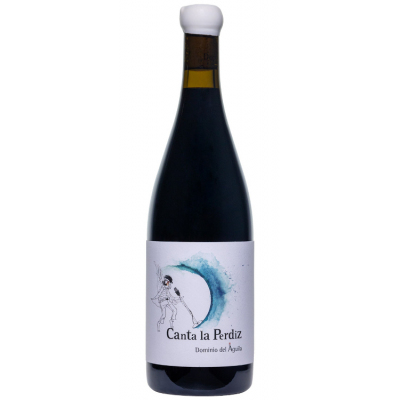
I was really looking forward to the single-vineyard red 2016 Canta la Perdiz, their rarest and finest bottling. It comes from a one of the oldest plots in the village of La Aguilera found at 890 meters in altitude on sand and limestone soils that give it a special personality and a chalky texture. The full clusters fermented with indigenous yeasts in concrete vats, and the wine went through seven months of a slow malolactic fermentation in oak barrels, where it completed an élevage of 31 months. The wine delivers what I was expecting, incredible finesse and elegance while filling your mouth. It is nuanced, perfumed and with a crystalline personality, with light and energy. It has very fine, chalky tannins that give it a velvety texture. It has incredible length. It's a world-class red that should develop for a very long time in bottle but also drink well throughout its life, even as young as now. This is one of the finest wines they have produced at this domaine, among the greatest in Ribera del Duero, fine, crystalline and full of Ribera character, serious but with a hedonist side. 1,789 bottles and 50 magnums were filled in May 2019.د.إ5,925.00